

Synthetic Drugs
Synthetic drugs are products containing chemical substances artificially developed to mimic the effects of illegal prohibited drugs such as Cannabis, Cocaine and Methamphetamine. The legality of a synthetic drug is dependent on whether the compound is prohibited under the Therapeutic Goods (Poisons Standard—October 2025) Instrument 2025.
In essence, if the synthetic substance is chemically similar enough and produces a psychotropic effect, then it will be treated the same as the substance it is mimicking for the purposes of the legislation.
What Synthetic Drugs are Illegal?
Many synthetic drugs, including 25i-NBOMe have been specifically added to Schedule 1 of the Drugs Misuse and Trafficking Act 1985 (NSW) making them prohibited drugs in their own right. Each of these synthetic drugs have weights assigned for small, trafficable, indictable and commercial quantities and they are prosecuted in the same way as other prohibited drugs, such as Cannabis, Cocaine and MDMA.
A significant number of synthetic drugs are now classified as prohibited drugs. As such a person can be charged under the general “offences in the Drug Misuse and Trafficking Act 1985 (NSW).
Therefore, a person who is in possession of synthetic Cannabis may be charged with possession of a prohibited drug, much as they would have been if they had been in possession of ‘real’ Cannabis.
Alternatively, a person may be charged relying on the analogue provisions, or by way of the definition of drug in schedule 9 of the Drugs Misuse and Trafficking Act 1985 (NSW).
What Must The Police Prove?
For a substance to be classified as an analogue of a prohibited drug it must:
- have psychotropic properties; and
- be structurally similar to a prohibited drug prescribed by Schedule 1.
The requirements prescribed by Schedule 1 of structural similarity involve very complex legal principles and will usually require expert evidence. If you have been charged with an offence relating to synthetic drugs, it may be that an expert is required to define and analyse chemical structures.
If you require legal advice or representation in any legal matter, please contact Armstrong Legal.
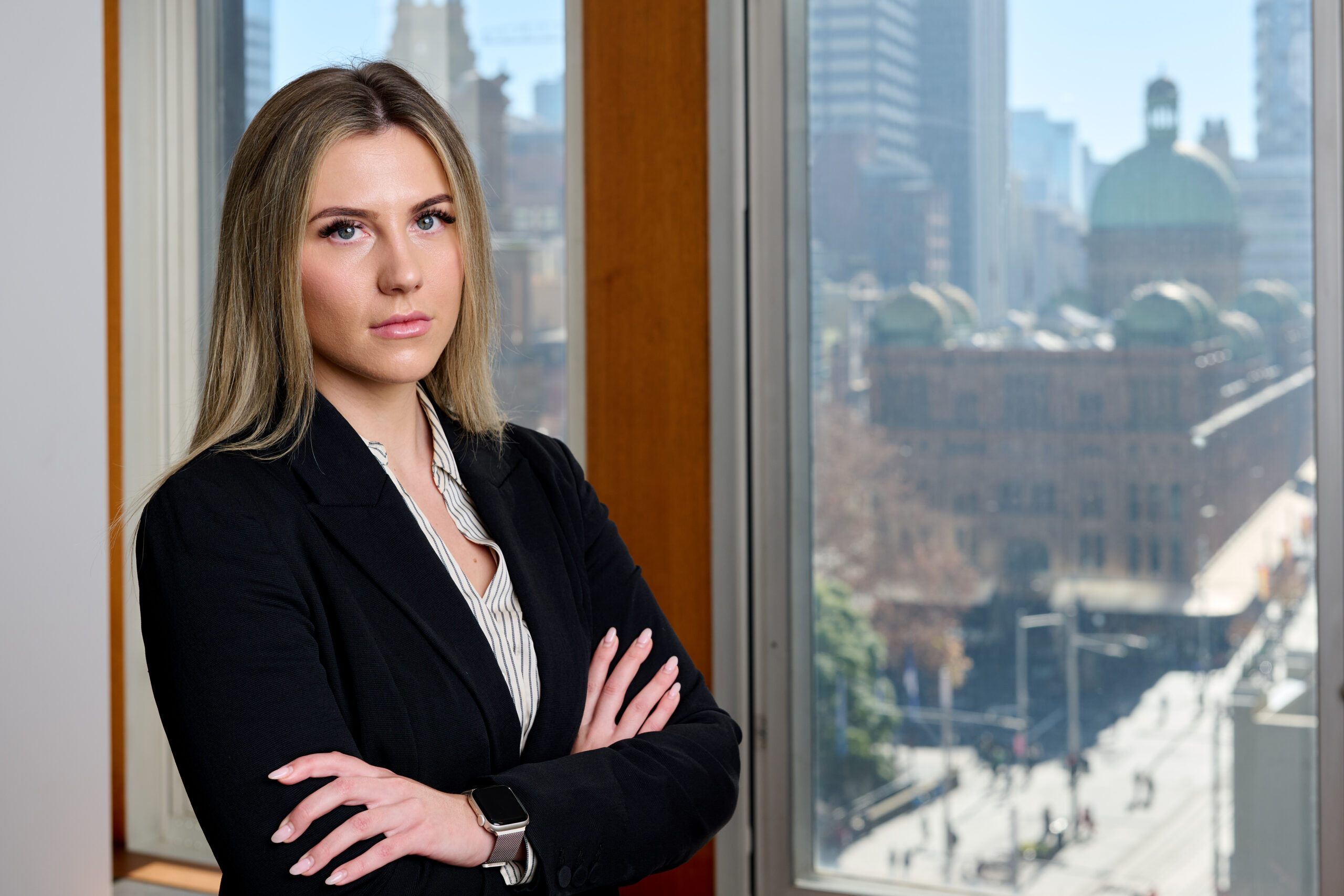
This article was written by Emily Wood-Ward
Emily Wood-Ward is a Criminal Lawyer based in Sydney bringing vast experience from working in both public and private practice. She has experience appearing and instructing counsel in the Local, District, Supreme and Coroners Courts of New South Wales. Emily has honed fierce advocacy skills from her experience working with incredibly vulnerable and disadvantaged clients whilst working for the Aboriginal...
